• My work experience has provided me with strong research skills, particularly in statistics, machine learning, and analyzing large neuroimaging datasets across multiple imaging modalities.
• Machine Learning Experience: Highlighted through various projects in which I manage end-to-end machine learning pipelines, encompassing data processing, feature engineering, model development, model evaluation, and the deployment of scalable models in an operational environment.
• Extensive Background in Neuroimaging: Led multiple projects involving the collection, formatting, preprocessing, and analysis of MRI, fMRI, fNIRS, and EEG data. I developed and optimized ML models using functional neuroimaging data to improve prognostic capabilities in critical care settings and derive data-driven patient health insights.
• I thrive in collaborative environments where I can contribute to innovative solutions and team success.
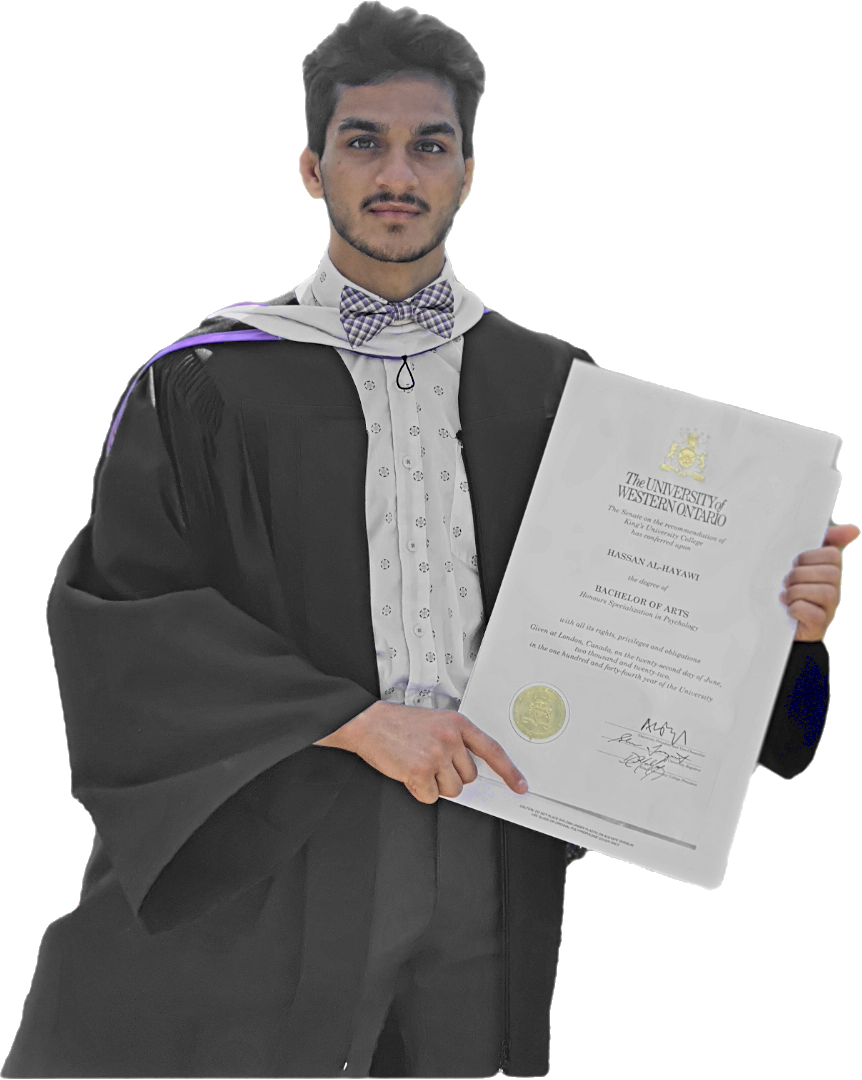
 University of Western Ontario
• Thesis title: “Machine Learning for Prognosis of Acute Brain-Injured Patients in the ICU Using EEG Complexity Analysis and Naturalistic Narrative Stimuli”
• Supervisors: Dr. Adrian Owen & Dr. Derek Debicki
 King’s University College
• Thesis title: “Cortical Function of Super Refractory Status Epilepticus: An fMRI Case Study”
• Supervisor: Dr. Loretta Norton
• Used various algorithms to perform binary classification on EEG complexity features to assess ICU patient prognosis.
• Used explainable statistical techniques to improve the transparency and interpretability of the models.
• Evaluated model performance using cross-validation techniques and metrics, including accuracy, precision, recall, and area under the ROC curve (AUC).
• Results showed 80% accuracy in predicting a patient's future clinical outcome using EEG recording from early ICU admission (AUC = 0.80–0.83).
View Project
• Manual segmentation of MRI images is costly and labour-intensive; a single dataset requires months of tedious work to complete. Automating this laborious task significantly improves the workflow and efficiency of preclinical research.
• Developed and implemented a U-NET convolutional neural network to automate MRI image segmentation for kidney and bladder volume analysis in oncological mouse models, reducing manual processing time from months to minutes while maintaining high accuracy.
• Collaborated with immunology researchers to confirm the accuracy of the segmentation results.
• The model consistently produced results like those obtained by experienced manual segmenters, with a mean difference of only 2-5%. Thus, the model reliably assesses cancer progression in preclinical studies.
View Project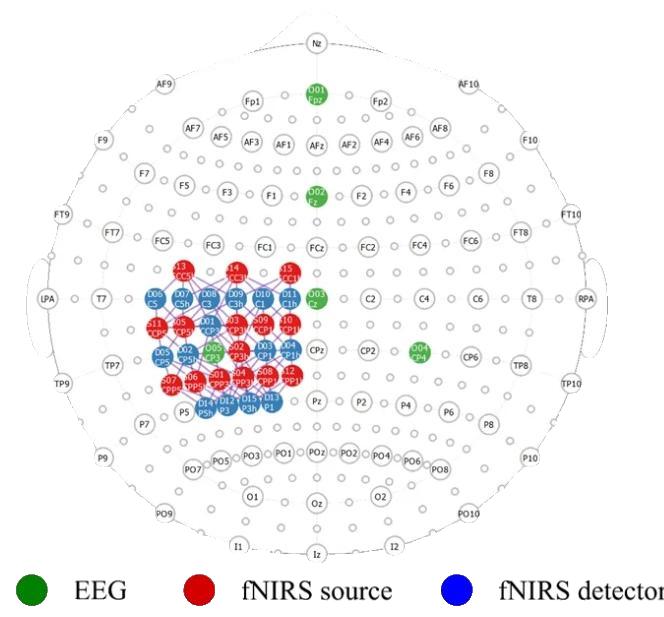
• Awarded a Provincial Scholarship (OGS) for my written proposal to more accurately estimate the hemodynamic response function (HRF) of patients using a gradient descent-based search algorithm that maximizes the Pearson correlation between the recorded fNIRS and EEG signals.
• This method will vastly improve the accuracy and sensitivity of functional neuroimaging results as it accounts for important underlying physiological mechanisms.
View Project
Skills: Quantitative Research · Deep Learning · Statistics · Machine Learning · Feature Engineering · Functional Neuroimaging
Skills: University Teaching · Fundamental Research Skills
Skills: Data Processing · Advanced Statistical Methods · Machine Learning · Optimization · Research Skills
Skills: Problem-solving · Technical Skills · Customer Service · Documentation
Skills: Leadership · Collaboration · Customer Service · Sales
Neuroimaging Data (Collection, Formatting, Cleaning, Preprocessing, & Advanced Analysis):
Programming/Coding:
Machine learning:
Research methodology:
Manuscripts:
Conference Abstracts:
